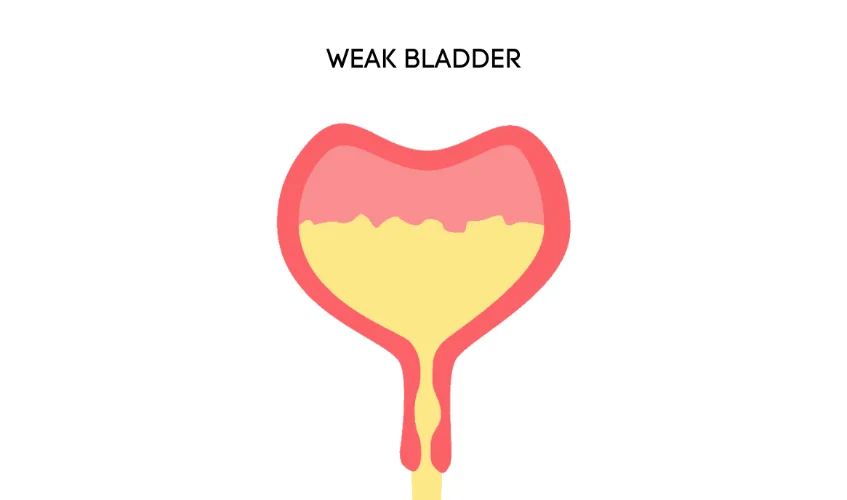
Urinary Incontinence Several females experience postpartum incontinence, and it's nothing to be embarrassed of. Actually, numerous new mothers locate that, with proper treatment and strengthening exercises, they can reclaim total continence within year, with symptoms typically enhancing within 3 to six months. Nevertheless, the key is to treat urinary incontinence early and collaborate with a pelvic floor physical therapist if essential. Early postpartum pelvic flooring workouts and physical treatment can likewise assist sustain recovery and decrease long-term bladder control concerns. If the problem is severe and does not fix, some fixing may require to be done. Labor and shipment might stretch, strain and even tear the muscular tissues and the supporting tissues that hold the womb, bladder and rectum in their appropriate location. The nerves might additionally be extended and wounded, deteriorating the signals enabling muscular tissues to work appropriately. Some ladies have no damage from labor and shipment, some have damages to the nerves; some have damage to the muscles and sustaining ligaments; some have damages to every one of these areas. For some ladies these damaged muscles and tendons continue to be weak and do not entirely recover. Happy baby workout helps release tightness in the hips and inner upper legs, which are locations carefully attached to bladder support. Physical therapy and targeted Click for more exercises are a key therapy for postpartum urinary system incontinence as a result of weak or uncoordinated pelvic flooring muscles. Pelvic floor muscular tissues require to be able to tighten up and completely relax for bladder and digestive tract control. Weak or poorly coordinated muscular tissues can interfere with bladder control, bring about leakage during daily tasks. Pelvic floor physical treatment and targeted workouts can help reinforce, stretch, and coordinate muscle mass associated with bladder control, making it less complicated to prevent urine leakages after childbirth. Postpartum urinary incontinence is the spontaneous leak of pee (or, much less generally, feces) that occurs after giving birth. This extra stress and anxiety or stress on the bladder and urethra can trigger urinary incontinence or leakage. Postpartum urinary incontinence typically enhances as your pelvic flooring muscular tissues and cells recuperate after pregnancy and childbirth. Gentle stretches, targeted exercises, and straightforward way of living modifications can aid accelerate your recuperation and reduce urine leaks. Regular physical activity assists sustain your overall wellness and can play a vital role in preventing and managing postpartum urinary incontinence. Remaining active prior to distribution maintains your muscle mass-- specifically your core, hips, and pelvic floor-- solid and coordinated, much better preparing your body for birth and healing.
These techniques are frequently made use of together with pelvic flooring workouts for much better outcomes.Every one of this pressure and stretching in the past, during, and after genital birth indicates your damaged pelvic muscular tissues may be not able to contract to hold or stop pee from dripping out.Nonetheless, in some females, the injured cells does not recoup 100% of pre-labor strength.In some cases the muscle mass near the beyond the vagina is purposefully cut by the medical professional to aid accelerate the distribution.All of your nerves, organs, and muscle mass interact, so the bladder functions effectively.
Childbirth And Urinary Incontinence: Points You Should Understand
What does postpartum urinary incontinence feel like?
Around 1 in 3 women experience urinary system incontinence after having a child. After delivering, you might leakage urine when you laugh, coughing, sneeze, raise something or exercise. Maternity hormones, the weight of your womb and having a vaginal birth can all extend the pelvic floor muscular tissues that support your bladder.
If you're unfamiliar with this exercise, start by determining your pelvic floor muscle mass. This can be done by pretending your tightening your vaginal area around a tampon or by acting you're trying to prevent passing gas. As soon as you have actually recognized those muscles, you can include kegel sessions to your day-to-day timetable. Kegels can be done lying down or sitting down and ought to only focus on tightening your pelvic flooring muscles, not your abdominal area, upper legs, or buttock. Nonetheless, timely professional care appropriately refurbishing harmed supportive connective cells and overlengthened muscles recovers composition and function, regulating leakages during activity. Stress urinary system incontinence results when intra-abdominal pressure bypasses urethral closure stress, unwillingly releasing pee. Jolting activities like running, jumping, or climbing up stairways increase stomach pressure. Relaxin is a hormone that relaxes your muscular tissues in prep work for labor. A pelvic flooring that's looser and softer, which causes much less control of your bladder. Aggravation and disappointment plague new mommies unable to go back to tasks they love without worrying about leaks or prolapse. Yet seeking expert assistance gets you back on the right track - first fixing dysfunction, then gradually resuming fuller feature without fear. Supportive care offers nerve and conviction to move better which transfers into a positive life expectation. This triggers a sudden, solid urge to pee that you might not be able to manage. Pressure triggered by giggling, sneezing, or working out can cause you to leakage Hyoscyamine urine. Urinary system incontinence might additionally occur if there is a problem with the nerves that manage the bladder muscle mass and urethra.
Research Study Selection
Remarkably, a lengthened labor or pressing stage prior to a cesarean is done makes it likely nerve damage has actually already happened even if the baby is ultimately delivered by cesarean. Gradually and with age, the typical supporting cells of the bladder, anus and uterus weaken, including in the impact of childbirth injury. Throughout the onset of maternity, blood circulation to the kidneys can raise by 35 to 60 percent. This extra blood flow can make the kidneys generate up to 25 percent much more pee not long after conception. Increased pee production is at its height at 9 to 16 weeks of pregnancy and tapers down from there.Do you leak some pee whenever you cough, sneeze, exercise, or laugh? And, giving birth to a baby's head the size of a little melon is no tiny task! If you are uncomfortable or unclear about doing Kegel workouts on your own, a medical professional or nurse can additionally teach you exactly how to do Kegels. A pelvic flooring physical therapist or various other specialist may also be readily available in your location to assist instruct you just how to reinforce these muscular tissues.